
Research Scientist
International Distinguished Innovation Award in the field of Data Science
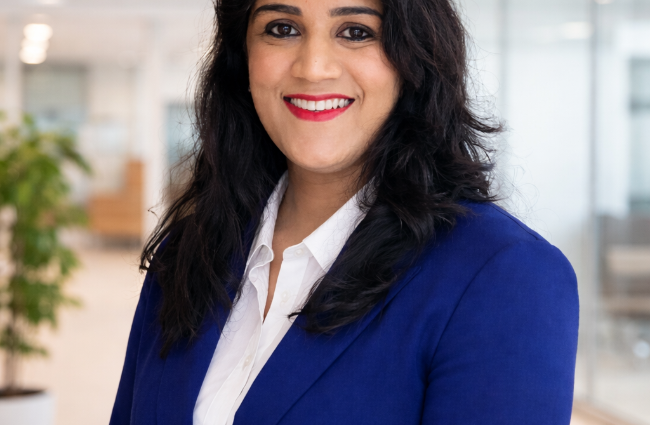
Ms. Naseebia Khan is a researcher in Artificial Intelligence for Healthcare, known for her interdisciplinary work at the intersection of biomedical sciences, data science, and clinical analytics. With advanced training in Biochemistry, Microbiology, Biotechnology, and a PhD specialization in Data Science, she brings a unique perspective that integrates biological understanding with computational innovation to address complex healthcare challenges. Her research focuses on developing intelligent, scalable, and privacy-preserving AI systems for real-world clinical applications. She has made notable contributions to medical image analysis, where she applies deep learning techniques to improve disease detection and classification. Her work emphasizes accuracy, robustness, and clinical usability, enabling more efficient and reliable diagnostic support systems. In addition to imaging, Ms. Khan has extensive experience in clinical data analytics and safety surveillance. She has led AI-driven and statistical modeling initiatives for analyzing adverse events and supporting post-marketing drug safety. Her contributions have helped translate complex healthcare data into actionable insights, strengthening regulatory reporting and enhancing patient safety. A key highlight of her work is the development of a novel multimodal AI framework for the early detection and personalized assessment of hearing, speech, and speech-sound disorders. This system integrates structured voice, image, and task-based inputs while preserving user privacy by avoiding continuous audio storage. By incorporating explainable AI techniques, her approach ensures transparency and builds trust for clinical adoption. Ms. Khan has also contributed to the application of natural language processing in healthcare, focusing on automating clinical data analysis and improving healthcare workflows. Her broader research vision centers on creating ethically aligned AI systems that are explainable, secure, and clinically relevant. Through her work, Ms. Khan continues to bridge the gap between biological sciences and artificial intelligence, advancing innovative solutions that have the potential to improve patient outcomes and transform modern healthcare systems.